
Uncategorized
Die Cut Sticker Printing Done Right
16
Apr
Apr
A wonky white border, fuzzy edges, or a shape that doesn’t match the artwork – that’s the sort of stuff that makes a sticker look cheap fast. Good die cut sticker printing does the opposite. It makes your design feel finished, sharp, and ready to stick on just about anything worth branding.
If you’re ordering stickers for a business, event, club, product launch or promo run, die cut stickers are usually the first format worth looking at. They’re clean, versatile, and built to show off your artwork properly. Not trapped in a boring square. Not padded out with extra material you don’t need. Just your design, cut to shape, looking the part.
What die cut sticker printing actually means
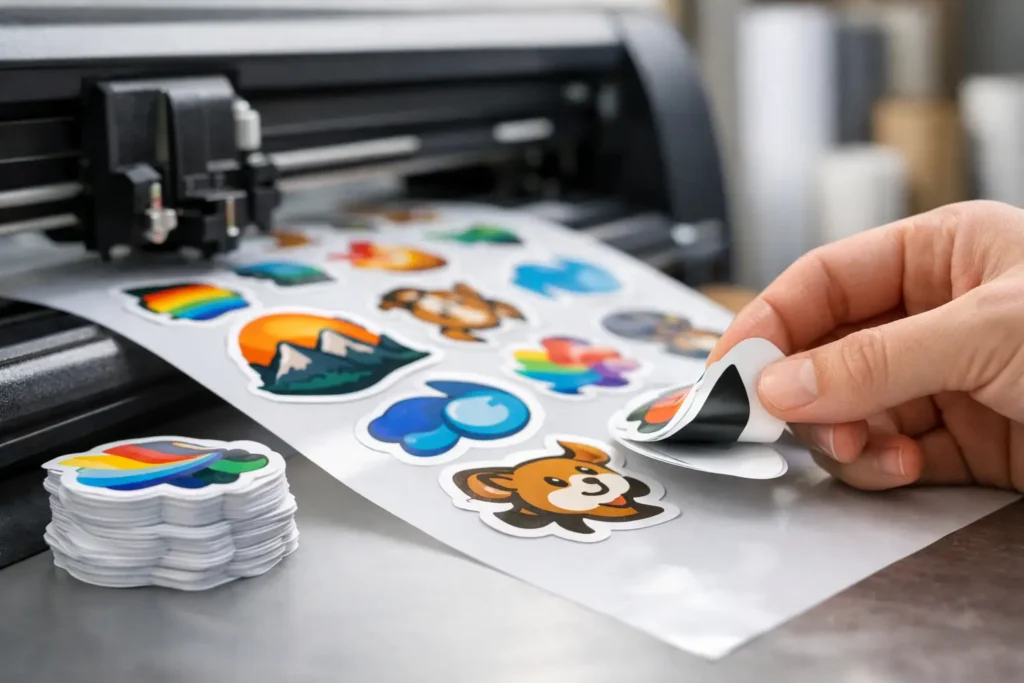
Die cut sticker printing is exactly what it sounds like. Your sticker is printed first, then cut right through the vinyl and backing into the custom shape of your design. That means each sticker comes out as its own individual piece, already trimmed and ready to hand out, pack with orders, or slap on a laptop, toolbox, window or bumper.
The big draw is the shape. A die cut sticker can follow your logo, mascot, text, badge shape, product silhouette or just about any outline that makes sense. That’s what gives it that premium feel. It looks intentional. It feels branded. And it stands out harder than a basic rectangle ever will.
That said, custom shape doesn’t mean every design should be cut as tightly as possible. Fine details, super thin points, or awkward internal cut lines can cause issues depending on the size and use. The smartest sticker isn’t always the most complicated one. It’s the one that prints clearly, cuts cleanly, and holds up once it’s in the wild.
Why die cut stickers work so well for brands
There’s a reason die cut stickers are everywhere. Small businesses use them on packaging. Tradies put them on utes and toolboxes. Real estate teams use them for promotional handouts. Bands, clubs and event organisers use them because they’re easy to give away and people actually keep them.
A die cut sticker feels more considered than a generic label. It says you’ve paid attention to presentation. For brand visibility, that matters. If someone sticks your logo on a water bottle, laptop or car, you want it looking crisp, not like an afterthought.
They’re also flexible. A clean logo cut works for corporate use, while a fun illustrated shape suits artists, markets, merch tables and community groups. Same product category, completely different end use. That’s why die cut sticker printing suits such a wide mix of buyers – from brand managers ordering in bulk to someone sorting custom stickers for a birthday or memorial.
Die cut sticker printing vs kiss cut stickers
This is where plenty of people get stuck, especially on a first order.
With die cut sticker printing, the sticker and backing are cut all the way through to the shape. You receive individual stickers. With kiss cut stickers, only the top sticker layer is cut, while the backing sheet stays intact around it. That gives you extra border space, which can make peeling easier and gives the design a bit more room.
Neither option is automatically better. It depends on what you need.
If you want a sharp, standalone sticker for giveaways, packaging inserts or merch, die cut is usually the better call. If your design has tiny details, or you want something easier to peel and handle in bulk, kiss cut can make more sense. The right choice comes down to how the sticker will be used, who’s applying it, and what the artwork looks like at final size.
What makes a die cut sticker look premium
A great sticker isn’t just about the cut line. Print quality, material, finish and artwork setup all pull their weight.
First, the artwork needs enough resolution to stay sharp when printed. A rough file might look fine on a screen, then fall apart on press. Jagged text, blurry logos and muddy colours can drag the whole result down. If your sticker is representing your business, this bit matters more than most people think.
Then there’s material. For most business and promotional use, durable vinyl is the go. It handles outdoor conditions better, sticks well to smooth surfaces, and has the toughness people expect from a quality custom sticker. Paper stock has its place, but not when you need weather resistance or something that lasts beyond a day or two.
Finish matters too. Gloss can make colours pop and feel a bit more high-energy. Matte gives a cleaner, more understated look. Clear and holographic options can be brilliant when used well, but they’re not one-size-fits-all. A flashy finish can elevate the right design and completely overpower the wrong one.
The last piece is the cut itself. Smooth curves, balanced borders and sensible sizing make a huge difference. If the cut line feels too tight or uneven, people notice. Maybe not consciously, but they notice.
Choosing the right size and shape
Bigger isn’t always better. A sticker that’s too large can be harder to place and more expensive than it needs to be. Too small, and key details disappear.
For logos and simple branding, a modest size often works best because it gives people more options for where to stick it. For promo art, illustrations and event graphics, going larger can help the design breathe. The trick is matching the sticker to the real use case instead of guessing.
Shape matters just as much. Clean outlines usually perform best. Circular, oval, shield, crest and simple contour cuts are popular because they look sharp and are easy to handle. More detailed shapes can look unreal when the file is strong, but they need proper spacing and smart production setup. If your design has thin spikes, tiny separated elements, or lots of internal detail, simplifying the cut line usually gets a better result.
Common mistakes that hurt the final result
Most sticker disasters are avoidable.
The first is sending low-quality artwork and hoping for the best. Print is less forgiving than a social post or website banner. If the file is poor, the sticker will be too.
The second is choosing a shape that fights the design. A logo doesn’t need a wildly complex contour just because it can have one. Good die cut sticker printing should make your artwork stronger, not trickier.
The third is forgetting where the sticker will live. A product label has different demands to a freebie for a festival. A bumper sticker has different demands again. Surface, weather, handling and lifespan all affect the best material and finish.
And then there’s timing. Leaving a custom print order until the last minute can limit your options. Fast turnaround helps, but better planning gives you more room to proof artwork properly and get the details right.
How to get better die cut sticker printing from the start
The easiest way to get a better result is to start with clear artwork and a clear purpose. Know where the sticker is going, what job it needs to do, and what finish suits the brand. If it’s for outdoor use, say so. If it’s going in every ecommerce order, say so. If it needs to impress at an event next week, definitely say so.
It also pays to work with a sticker specialist rather than a generic printer trying to do a bit of everything. Stickers look simple until they’re not. Cut paths, material choice, proofing, finish selection and turnaround all matter more when the deadline is tight or the branding needs to be spot on. That’s where responsive support makes a real difference.
For Australian businesses especially, local production has practical upside. Quicker freight, easier communication, and less mucking around when you need answers fast. If your order is part of a campaign launch, event setup or retail rollout, that reliability counts.
At Sticker Ninja, that’s the whole point – high-quality Australian-made stickers, fast turnaround, and support that doesn’t disappear the second you upload a file.
Is die cut sticker printing right for your job?
Most of the time, yes. If you want a sticker that looks polished, feels properly branded, and is ready to hand out or apply straight away, it’s hard to beat. It suits logos, promotional graphics, branded merch, giveaways, product packaging and event collateral without making the process more complicated than it needs to be.
The only real caveat is that custom shape should serve the design, not distract from it. When the artwork, material and cut line all work together, the result looks effortless. That’s the sweet spot.
If you’re ordering stickers, don’t settle for something that merely gets printed. Go for something that looks sharp in the hand, holds up on the surface, and makes your brand look like it knows exactly what it’s doing. That’s what good die cut sticker printing is for.