
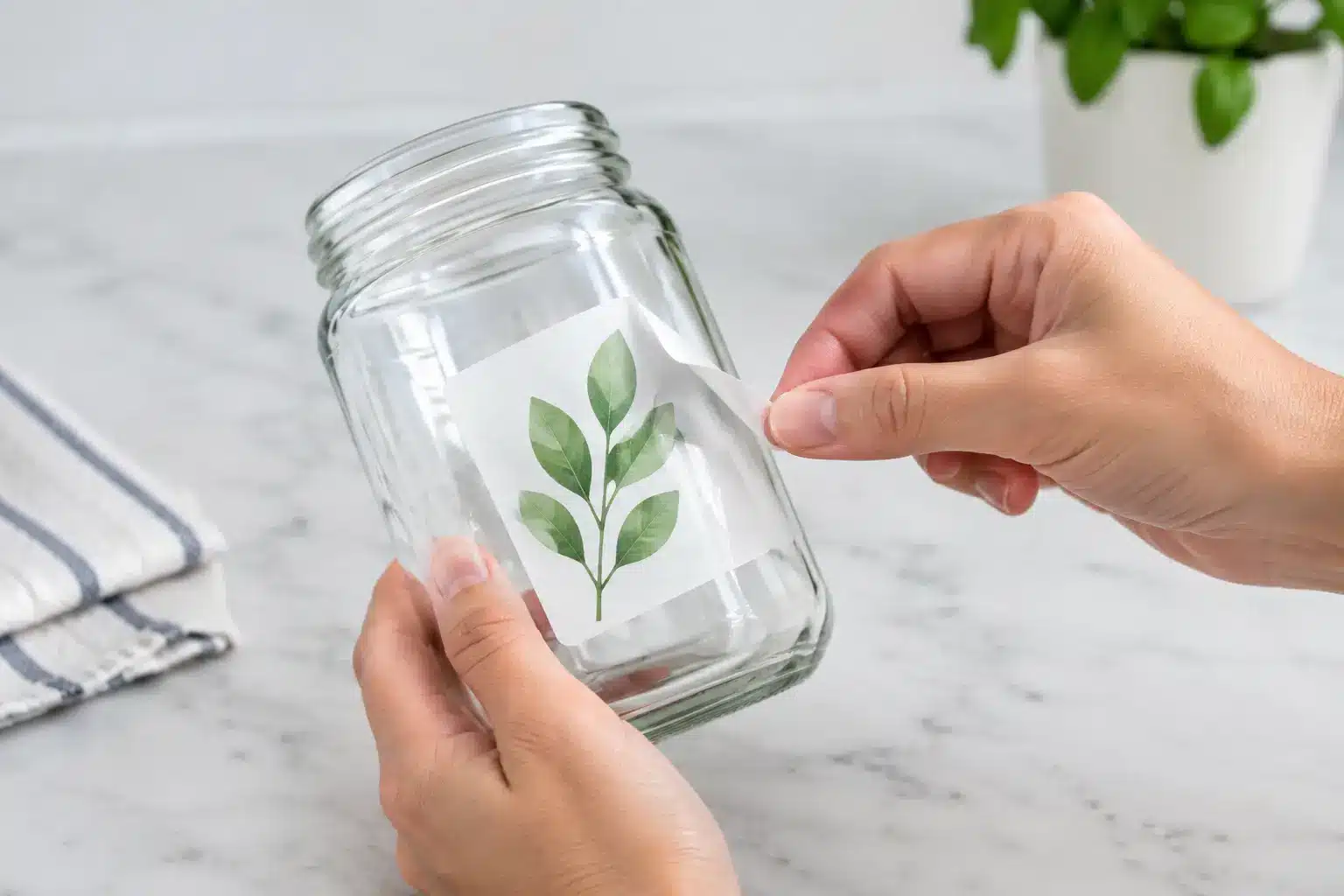
A sticker can make a ute, shop window, product box or event giveaway look spot-on. Taking it off later is where the questions start. So, can stickers be removed cleanly? Usually, yes – but the honest answer depends on the adhesive, the surface, how long it has been there and what the Australian sun has done to it.
For businesses, clubs and event organisers, this matters before an order is printed. A short-run promotion on indoor glass has different needs to a long-life decal on a work vehicle. Choose the right sticker for the job from the start and removal is far less likely to become a sticky, time-wasting drama.
Can stickers be removed cleanly from every surface?
Not every surface behaves the same way. Smooth, hard and properly cured surfaces such as glass, glazed tiles, sealed metal and many plastics generally give you the best shot at a clean lift. The adhesive has less texture to grip, so it can release in a more controlled way.
Painted walls, unsealed timber, cardboard, paper, powder-coated finishes and cheap plastics are a different story. A sticker may come away cleanly while taking a little paint, coating or surface fibre with it. That is not always a bad adhesive. Sometimes the surface itself is weaker than the bond created by the sticker.
Fresh paint deserves special caution. Even when a wall feels dry, the paint may still be curing underneath. Applying a sticker too soon can create a stronger-than-expected bond or lift paint when it is removed. If the surface matters, let paint cure as recommended by its manufacturer and test one small, discreet area first.
Heat, age and exposure also change the equation. A label removed from an indoor storage tub after a fortnight is a very different job from a bumper sticker that has spent three summers parked outside. UV, road grime, temperature swings and time can make adhesives firmer and more prone to leaving residue.
The adhesive matters as much as the sticker material
People often say they need a vinyl sticker when what they really need is a particular adhesive performance. Vinyl is the face material. The adhesive on the back largely determines whether a sticker is designed for a firmer, long-term hold or easier short-term removal.
Permanent adhesive is built to stay put. It is the sensible choice for equipment labels, product branding, outdoor promotions and stickers that cannot afford to curl, slide or disappear halfway through the campaign. It can still be removed, but clean removal is less certain as time and weather exposure increase.
Removable adhesive is better suited to short-term campaigns, sale windows, seasonal displays and situations where a surface needs to be returned to normal afterwards. It is not magic, though. Leave any adhesive on a hot surface for long enough and its removal characteristics can change.
There is a trade-off here. The easiest sticker to remove may not be the best performer in rain, direct sun, repeated handling or a rough workplace environment. The best choice is not simply “removable” or “permanent”. It is the option that matches the job, the surface and the expected lifespan.
How to remove stickers without making a mess
Good removal is mostly about patience. Ripping a sticker away quickly, especially on a painted or plastic surface, is how you end up with torn vinyl, residue and a surface that looks worse than before.
Start by lifting one corner with a fingernail or a plastic scraper. Avoid metal blades unless you are working on suitable glass and know the surface can handle it. A metal edge can scratch glass coatings, plastics and painted finishes far more easily than expected.
Warm the sticker gently with a hair dryer on a low setting, moving it constantly rather than concentrating heat in one spot. The aim is to soften the adhesive, not cook the sticker or overheat the surface. This is particularly useful for old decals on glass, metal and vehicle panels.
Once an edge is up, pull the sticker back over itself at a low angle instead of pulling straight out from the surface. Think slow and shallow. This puts less stress on paint and helps the adhesive release gradually. If it starts tearing, add a little more gentle heat and keep working in small sections.
If residue remains, try rubbing it away with a clean microfibre cloth and a surface-safe adhesive remover. Isopropyl alcohol can work on some hard surfaces, but always test it in an inconspicuous spot first. Solvents may dull acrylic, affect coatings, soften plastics or damage freshly painted finishes. Never assume that a cleaner safe for glass is safe for everything else.
For paper labels on cartons or jars, moisture can help, but it can also damage the packaging underneath. If presentation matters, it may be better to cover an outdated label with a new one than attempt to remove it. That is often the cleaner and faster fix for retail stock or event packaging.
Avoid these common removal mistakes
Do not soak electronics, use high heat on plastic, attack residue with abrasive scourers or scrape vehicle paint with a blade. These shortcuts can turn a simple sticker removal into a replacement or repair job. Also skip harsh chemicals around printed surfaces unless you have confirmed they are compatible.
If you are removing a decal from a car, work in the shade and start with a clean panel. Direct sunlight can make the panel hot enough to affect both the adhesive and the paint. Older vehicles may also show a colour difference after a sticker comes off because the surrounding paint has faded while the covered area has not.
Plan removal before you print
The easiest way to get clean removal is to make that requirement clear before stickers are produced. Tell your printer where the stickers are going, whether they are indoors or outdoors, how long they need to last and what surface they will be applied to.
A real estate team putting open-home decals on corflute signs has a different brief from a café running a one-week window special. A tradie branding toolboxes, a car club ordering decals and an event organiser labelling reusable drink bottles all need different levels of adhesion and durability. One sticker type does not automatically suit every job.
Size and shape can matter too. Large decals have more adhesive contact area, so they can take more care to remove. Fine details, sharp corners and narrow lettering can tear during removal if the sticker is old or strongly bonded. For temporary graphics, simple shapes and slightly sturdier elements can make a practical difference later.
At Sticker Ninja, the best results come from matching the product to the application rather than treating stickers as a one-size-fits-all purchase. A quick conversation about the surface and lifespan can prevent a lot of residue removal after the fact.
When clean removal is not the priority
Sometimes a sticker should be hard to remove. Security labels, long-term equipment identification, outdoor branding and high-contact product labels need holding power. In those cases, durability is the win, even if removing the sticker later takes heat, time and an adhesive remover.
Be especially realistic with bumper stickers and outdoor vehicle decals. They are designed to put up with weather, washing and road conditions. If they peeled off as easily as a temporary window promotion, they would not do their actual job very well.
The practical move is to decide what matters most: easy removal, serious durability or a balance of both. Once that is clear, selecting the right material and adhesive becomes straightforward.
A clean removal starts long before someone reaches for a hair dryer. Put the right sticker on the right surface, allow for the conditions it will face, and remove it slowly when the job is done. Your surfaces, and whoever has to clean them, will thank you.