
Uncategorized
Construction Safety Decal Case Study: Clearer Sites
01
Sep
Sep
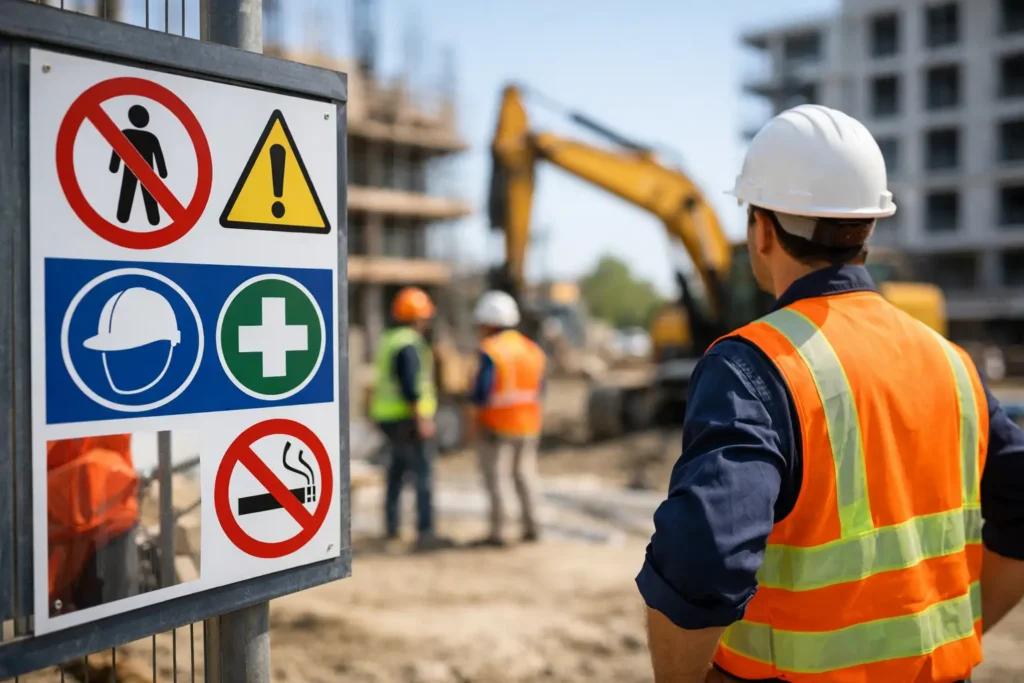
A faded warning label on a generator is easy to ignore. A clear one, placed exactly where a worker needs it, can stop a bad decision before it starts. This construction safety decal case study follows a typical mid-sized Australian builder that used purpose-made decals to make hazards, equipment rules and site access points harder to miss.
The job was not about plastering every surface with warnings. It was about putting the right message in the right place, using decals built to survive dust, rain, handling and the daily rough-and-tumble of a live site. The result was a tidier visual system, fewer repeated questions to the site supervisor and a safer-looking operation for everyone walking through the gate.
The problem: safety messages were there, but not working hard enough
The builder was managing a multi-stage commercial fit-out with subcontractors rotating through the site every week. Safety documentation was in place, inductions were being completed and temporary signs had been installed. Yet the site manager kept seeing the same weak points.
Plant controls had worn labels. Storage cages had handwritten notes that became unreadable after a wet week. Fire extinguisher locations were marked, but not consistently. New contractors asked where to find PPE, which area was off limits and where to return borrowed gear. None of these issues sounded dramatic on their own. Together, they created friction at the exact moments when workers should be focused on the job.
The key lesson was simple: a safety instruction only helps if people can see it, read it and understand it quickly. Safety decals cannot replace a site induction, a SWMS, supervision or proper signage. They can, however, reinforce those controls at the point of action.
The decal plan: fewer messages, better placement
Rather than ordering one generic sheet of warning stickers, the team mapped the areas where people paused, operated equipment or changed tasks. That created a practical list of decal applications across the site.
On plant and portable equipment, the decals identified required PPE, pinch-point risks, isolation steps and inspection status. In the storage area, labels separated chemicals, electrical tools, lifting gear and general consumables. At access points, bold decals directed workers towards the sign-in process, mandatory PPE and restricted zones.
The design approach mattered as much as the words. Each decal used short instructions, strong contrast and familiar safety colours. There was no room for dense paragraphs or vague language. “Wear eye protection” is faster to process than a long sentence about workshop expectations. “Authorised access only” works better than a homemade note stuck to a door with tape.
Matching materials to real site conditions
A decal that looks sharp on a laptop but curls at the edges after a few days is not doing its job. The builder chose durable vinyl decals with a protective laminate for high-contact and exposed areas. These were used on toolboxes, equipment housings, storage containers and temporary site boards.
For indoor cabinets and short-term fit-out areas, standard adhesive labels were a sensible lower-cost option. Not every message needs maximum weather resistance. It depends on the surface, expected lifespan and how often the area is cleaned or moved.
This is where ordering a mix of formats paid off. Small decals worked for switches and control points. Larger decals were used for storage bays and emergency equipment. Consistent colours, icons and wording tied it all together, even though the sizes changed.
What changed on site
Within the first few weeks, the site manager noticed that workers were spending less time asking basic location and equipment questions. The new labels made common actions clearer: where to store materials, which PPE applied and which equipment required a check before use.
The improvement was especially noticeable when new subcontractors arrived. A quick induction still covered the essentials, but the decals backed up the message once workers were out on the floor. A label beside a chemical cabinet or on a locked plant box does not rely on someone remembering a briefing from 7 am.
The presentation of the site improved too. That matters. Clients, inspectors and visitors form an opinion fast, and a site covered in torn paper notices can suggest that details are being missed. Clear, professionally printed safety decals helped the builder show that the site was organised without turning every wall into a warning board.
There was also a practical benefit for equipment. Clearly marked tool return areas and inspection points made accountability easier. If a decal says “Return tools here” beside a designated rack, there is less guesswork at knock-off time and less chance of gear being left in an accessway.
The trade-offs: decals are not a set-and-forget fix
The case study also exposed a few traps. The first was over-labelling. When every surface carries a red, yellow or fluorescent message, workers stop seeing the important ones. The team removed duplicate notices and kept the strongest visual treatment for immediate hazards, emergency directions and mandatory actions.
The second was placement. A perfectly printed decal is useless if it sits behind a stack of plasterboard, on a dirty curved surface or below normal eye level. Before applying the final run, the crew tested a few positions during a normal workday. They checked sightlines from the entry point, workbench and equipment controls.
The third was maintenance. Decals need an owner. On a changing construction site, old messages can become misleading when a storage zone moves or a piece of plant is replaced. The supervisor added decals to regular site walk-throughs, checking for damage, fading, lifting edges and out-of-date instructions.
How to build a safety decal system that crews will use
Start with your high-traffic decision points, not a catalogue. Walk the site and ask where workers need an immediate prompt. Think plant, electrical boards, first-aid stations, chemical storage, loading zones, tool cribs, access doors and waste areas.
Then keep the language direct. Use an action, an icon where appropriate and enough contrast to read the decal at the distance it will be viewed. If the message needs several sentences to make sense, it may belong in a procedure, induction document or formal sign instead.
Before ordering, measure the available space and take photos of the surfaces. A decal intended for a powder-coated toolbox will need a different size and finish from one going onto a temporary corflute board. Clean and dry the application surface thoroughly, then allow enough time for the adhesive to settle before heavy use or cleaning.
For teams that need branded site labels alongside safety messaging, a specialist print supplier can help make the job look consistent rather than cobbled together. Sticker Ninja can produce custom decal runs that fit your artwork, sizes and site requirements, with proofing support before production.
A quick pre-print check
Before approving artwork, confirm four things: the wording is current, the colour coding matches your site system, the decal is sized for the viewing distance and the material suits the surface. It is also worth checking whether the message needs to align with any principal contractor requirements or Australian Standards relevant to your project.
That small check avoids the costly version of “she’ll be right” – ordering hundreds of decals that are too small, too vague or wrong for the job.
Clear labels support safer habits
Construction sites move fast, and people have plenty competing for their attention. The best safety decals do not try to explain everything. They give workers a clear visual nudge at the moment it counts, whether that means putting on eye protection, keeping out of a restricted area or returning gear where it belongs.
If your current safety labels are faded, handwritten or inconsistent, start with the few places where confusion causes the most daily hassle. A well-planned decal can be a small piece of print with a seriously useful job to do.