
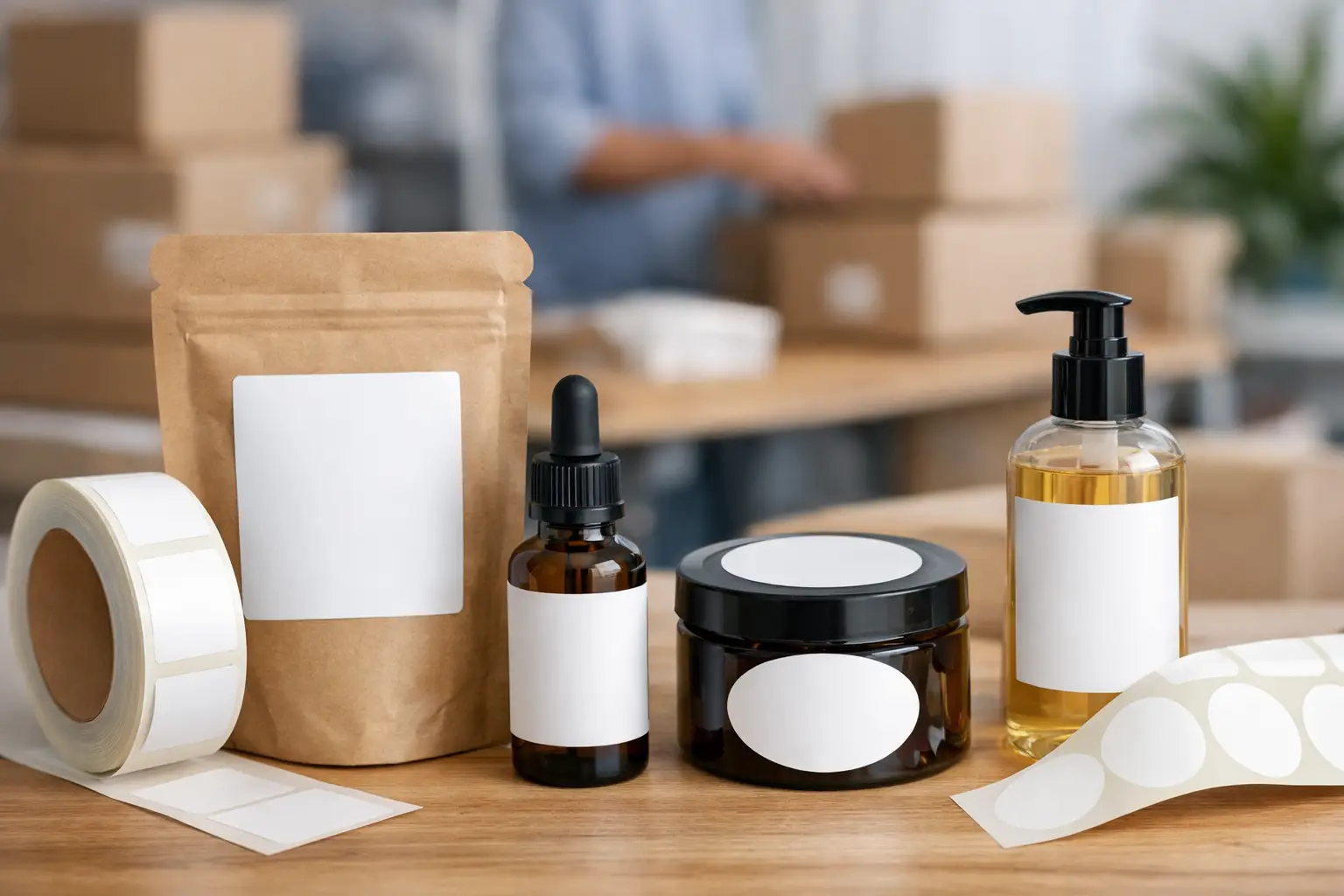
A crooked label on a great product does more damage than most businesses realise. You can have a brilliant formula, a sharp logo and packaging that cost a fortune, but if the label bubbles, fades, peels or looks cheap on the shelf, people notice. That is why product labels Australian businesses order need to do more than just stick. They need to look sharp, survive handling and make your brand feel legit from the first glance.
If you’re ordering labels for the first time or fixing a bad print experience, the right choice comes down to one thing – matching the label to the job. Not the cheapest option. Not the fanciest finish. The right fit for how your product is sold, stored and used.
What makes product labels in Australia worth paying for?
A good label has to work hard. It needs to carry your branding, handle practical information and stay put through transport, storage and customer use. That sounds obvious, but plenty of labels are chosen off a screen without enough thought about where they are going.
A candle label has different demands to a sauce bottle label. A skincare jar stored in a bathroom needs something different again. If your product goes into fridges, eskies, delivery boxes or shop shelves under bright lights, your label stock and finish matter straight away.
For Australian businesses, local production is a bigger advantage than people think. Faster turnaround is part of it, sure. But local printing also makes proofing easier, reduces the back-and-forth when artwork needs fixing and gives you a better shot at hitting event dates, launch windows or restocks without drama. If you are running lean, that matters.
Choosing the right product labels Australian suppliers offer
There is no single best label for every product. The best one is the one that suits your packaging, your environment and your brand style.
Paper labels can be a strong option when you want a classic retail look and your product is staying dry. They are often a smart fit for boxed goods, candles, dry pantry items and short-run promo packaging. They look clean, print well and can be cost-effective, especially if you are ordering in bulk.
Vinyl labels are the tougher choice when durability matters. If your products are exposed to moisture, oils, friction or temperature changes, vinyl is usually the safer bet. Think bottles, jars, takeaway packaging, refrigerated goods or products handled a lot in-store and at markets.
Clear labels can look excellent when you want branding to sit straight on the product without a visible background. Used well, they create a cleaner, more premium feel. Used badly, they can be hard to read if your artwork does not account for the colour of the product underneath. That is one of those it depends moments. Clear stock looks slick, but only when contrast and placement are sorted properly.
Gloss finishes tend to boost colour and give labels that polished, high-impact look. Matte finishes feel more understated and premium, especially for boutique products, cosmetics and minimalist branding. Neither is automatically better. Gloss grabs attention faster. Matte often feels more refined. Your audience and shelf context should make the call.
Where businesses get label orders wrong
The most common mistake is designing for a screen instead of the real package. A label can look brilliant in a mock-up and still fail once it wraps around a bottle or sits on a textured container. Small text becomes annoying to read. Fine lines disappear. Curved surfaces can throw off spacing. What looked balanced on a laptop suddenly feels cramped.
Another issue is choosing size based on guesswork. Too small, and your product feels underdone. Too big, and the label wrinkles or crowds seams and edges. Getting the dimensions right sounds basic, but it has a huge impact on the finished look.
Then there is adhesive. Not all sticking power is equal. If your products sit in cool rooms, bathrooms, cars or outdoor stalls, standard adhesive may not cut it. The label that performs fine in an office can fail quickly in heat, humidity or regular handling.
And finally, people underestimate proofing. A fast proof check can save you from ordering hundreds or thousands of labels with the wrong ingredients panel, a typo in sizing, poor bleed setup or colours that print flatter than expected. Good support here is not a bonus. It saves money.
Product labels Australian brands use for different jobs
Retail products need a label that can sell. That means brand recognition first, but also clarity. Customers should know what the product is in seconds. If they have to hunt for the scent, flavour, size or key benefit, the label is doing too much or not enough.
Food and beverage labels need a bit more care. They often face cold storage, spills and constant handling. Readability matters just as much as durability, especially when ingredients, allergen details or usage instructions are involved. Fancy design is great, but not if it makes the practical information hard to read.
Event and promotional products are a different beast. These labels often need to look sharp fast, hit a date and work across short-run packaging, gift bags, bottles, showbags or merch. In that case, speed and consistency can matter more than chasing complicated finishes.
Trades and service businesses use product labels differently again. For them, labels might go on tins, bottles, equipment, kits or branded handover packs. The goal is usually simple – look professional, stay on, and make the business look switched on. No fuss.
Why finish and shape matter more than people expect
A lot of label buyers focus only on the artwork. Fair enough. That is the visible part. But shape and finish influence how professional the product feels before anyone even reads a word.
Round labels can soften the look and work well on jars, lids and boutique packaging. Rectangle labels are practical and versatile, especially when you need room for compliance info or product details. Custom die cut shapes can stand out, but only if they still make application easy and keep the text area usable.
This is where being a sticker specialist helps. You are not just choosing a print. You are choosing how the product presents in real life – on a shelf, in a fridge, in someone’s hand, or packed into an order headed across the country.
Finishes also affect wear. Gloss can resist scuffing nicely and make colours pop. Matte can hide fingerprints better on some products and give a cleaner premium feel. If you want a label to scream for attention, gloss often wins. If you want it to look confident without shouting, matte is usually a better move.
Fast turnaround matters when stock is running low
Most businesses do not order labels months ahead with heaps of breathing room. They realise stock is running out, a product launch moved forward, or an event date is suddenly close enough to hurt. That is real life.
When that happens, quick production is not just convenient. It protects your sales. Delays in packaging can hold up finished goods, create gaps on shelves or force you into temporary fixes that make the brand look half-ready. Nobody wants to hand-apply dodgy backup labels the night before a market or send orders out with packaging that feels rushed.
That is why responsive service matters as much as print quality. If a supplier is slow to answer, vague on timelines or hard to deal with when artwork needs a tweak, the job drags out. A faster, clearer process usually leads to a better result.
How to order smarter the first time
Start with the product itself, not just the design file. Measure the surface area properly. Think about moisture, temperature, friction and how customers will handle it. Then look at what information needs to fit comfortably without turning the label into a wall of text.
If you are unsure between stocks or finishes, ask based on use case, not preference. A label for a dry candle tin is one conversation. A label for a cold-pressed juice bottle is another. The more specific the job, the better the recommendation.
It also pays to order with consistency in mind. If you are planning a range with multiple scents, flavours or variants, set up a system that can scale. Keeping shape, sizing and base layout consistent makes future reorders easier and gives the whole range a more professional shelf presence.
For businesses that want labels without the usual stuffing around, that specialist approach is the difference. Sticker Ninja knows that most customers are not chasing print jargon. They want labels that look good, arrive fast and do the job properly.
A strong product deserves a label that does not let it down. Get the material right, get the finish right, and get support from people who actually understand how labels behave once they leave the screen and hit the real world.