
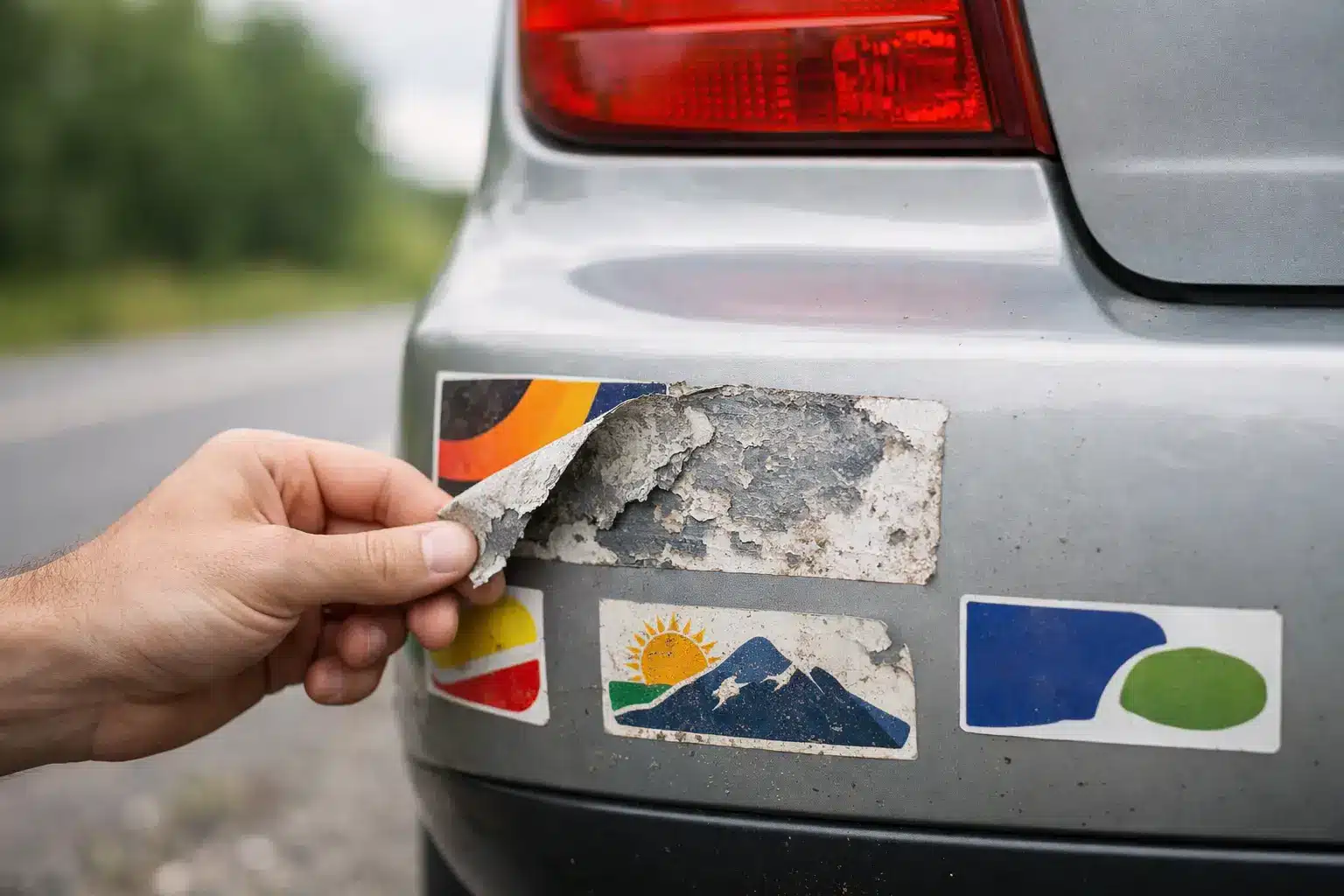
A bumper sticker can look sharp on day one, then cop years of sun, rain, road grime and car washes without much drama – or it can start peeling and fading way too early. So, how long do bumper stickers last? In real-world Australian conditions, a good-quality bumper sticker usually lasts around 3 to 5 years outdoors, and sometimes longer if the material, print and application are all done properly.
That’s the short answer. The more useful answer is that lifespan depends on a handful of things that matter more than most people realise – the vinyl, the adhesive, the laminate, where the sticker sits on the car, and how hard the weather hits it. If you’re ordering bumper stickers for a business, event, club or campaign, that difference matters. You want something that stays bold, sticks properly and doesn’t look tired after one summer.
How long do bumper stickers last in Australia?
In Australia, bumper stickers have a tougher job than they do in milder climates. UV is brutal, heat builds up fast, and cars spend a lot of time parked outdoors. That means a cheap sticker might only look decent for 6 to 12 months before fading, cracking or lifting at the edges. A properly made outdoor vinyl bumper sticker, though, should generally hold up for 3 to 5 years.
Some can push beyond that, especially if the vehicle is garaged, driven less often, or the sticker is placed where it cops less direct exposure. But if the car lives outside near the coast, gets washed with harsh chemicals, or sits on a panel that heats up all day, you’ll probably be closer to the lower end of the range.
This is why bumper stickers aren’t all equal. They might look similar on a screen, but the lifespan gap between budget materials and quality outdoor vinyl is massive.
What actually affects bumper sticker lifespan?
Material quality makes the biggest difference
If you want a bumper sticker to last, vinyl is the go-to. It’s flexible, weather-resistant and built for outdoor use. Paper-based stickers or low-grade films just aren’t in the same league for vehicles.
A quality vinyl sticker handles temperature swings better, resists moisture and stays more stable on curved or slightly textured surfaces. That matters on cars, because bumpers and rear panels aren’t always perfectly flat or cool.
UV exposure is the real killer
Sun is usually what ages a bumper sticker fastest. Strong UV can fade inks, dry out cheaper materials and make the surface look chalky or brittle. In places with intense sun – which is most of Australia, frankly – UV resistance is a non-negotiable.
If your sticker is printed with durable inks and protected with a laminate, it has a much better shot at holding colour and staying clean-looking for longer.
Placement on the vehicle changes everything
Despite the name, bumper stickers don’t always go on the bumper. Plenty of people stick them on rear windows, tailgates, toolboxes or the back of a ute canopy. Where you place it affects how long it lasts.
A sticker on a vertical rear window may hold up better than one on a painted bumper that gets hammered by road grime, heat and pressure washing. Panels near exhaust heat or constant sun exposure can also wear faster. Even the angle matters. A horizontal or slightly upward-facing surface usually cops more UV and water.
Application matters more than people think
A premium sticker applied badly can still fail early. If the surface is dusty, oily, wet or too cold, adhesion drops. If air bubbles or creases are left in place, those weak spots can become peeling edges later on.
Clean surface prep is the boring part, but it’s the part that saves you grief. Apply to a dry, smooth surface, press it down properly, and give the adhesive time to cure before washing the car.
Weather, washing and general wear
Australian roads throw a lot at a vehicle – dust, salt, rain, mud, heat and detergent. Add frequent car washes, especially the aggressive automated kind, and your sticker has a harder life.
That doesn’t mean you should baby it. It just means a bumper sticker used on a daily driver won’t age the same way as one on a weekend car that lives under cover.
Signs a bumper sticker is nearing the end
A bumper sticker rarely falls off overnight unless something went wrong with the adhesive or application. Most of the time, it starts showing wear gradually. Colours lose punch, edges begin to curl, tiny cracks appear in solid blocks of ink, or the surface starts looking scratched and dull.
For businesses, that visual drop-off matters before total failure. If you’re using bumper stickers as promo tools, you don’t want them hanging on by a thread or looking sunburnt and tired. A sticker can still technically be attached while no longer doing your brand any favours.
Can bumper stickers last longer than 5 years?
Yes, but you need the right setup and the right expectations. If the sticker is made from durable outdoor vinyl, printed well, laminated, and applied to a clean surface on a car that isn’t parked in full sun every day, it can last beyond 5 years.
That said, “still attached” and “still looks great” are not the same thing. For brand visibility, campaign use or event promotion, most people care about the period where the sticker still looks crisp and professional. That usable life is often shorter than the maximum physical life.
So if you’re asking how long do bumper stickers last because you want a long-term promo piece, aim for quality first. A cheaper sticker that lasts one year is not better value than a quality one that looks good for four.
How to make bumper stickers last longer
The good news is you’ve got some control here. Start with outdoor-grade vinyl rather than generic sticker stock. Add laminate if you want extra protection against UV, scratches and moisture. Then apply it to a properly cleaned surface with no wax, dust or residue left behind.
After that, common sense helps. Give the adhesive time to bond before washing. Avoid blasting the edges with a pressure washer. If possible, park under cover now and then instead of leaving the car baking in full sun every day.
None of this needs to turn into a maintenance routine worthy of a show car. It’s just about avoiding the stuff that shortens sticker life for no reason.
Are removable and permanent bumper stickers different?
They can be. Permanent adhesive is designed to stay put longer and handle outdoor exposure better over time. Removable adhesive is handy when you want short-term use or easier peel-off later, but it may not offer the same long-haul performance, especially in harsh weather.
That doesn’t mean removable stickers are bad. It just means the best choice depends on the job. A campaign, event or temporary promotion might suit removable stock. A long-term business sticker on a fleet vehicle probably won’t.
This is one of those classic print trade-offs. Easier removal usually means some compromise in long-term hold.
Are bumper stickers worth it for business promotion?
Absolutely – if they’re printed well and used properly. A good bumper sticker is low-cost, visible and easy to hand out. It works for tradies, real estate teams, local events, car clubs, fundraisers and brands that want something practical people will actually use.
But quality matters because your sticker becomes a moving ad. If it fades fast or starts peeling, that reflects back on the brand. Sharp print, strong adhesive and durable stock are doing more than surviving the weather – they’re protecting how your business shows up in public.
That’s why specialist sticker printers tend to get better results than general print shops trying to do a bit of everything. When stickers are the core product, the material choices and production standards are usually much tighter.
The smart way to think about bumper sticker lifespan
If you’re buying bumper stickers, don’t ask only how long they can stay stuck on. Ask how long they’ll keep looking worth sticking on.
For most Australian vehicles, 3 to 5 years is a solid expectation for a quality outdoor bumper sticker. Less if the materials are average or the conditions are rough. More if everything lines up in your favour. The gap comes down to production quality, smart material choice and proper application.
If you want bumper stickers that still look sharp after months of sun, rain and road grime, it pays to get them made properly from the start. That’s the kind of detail people notice – even when they’re just sitting behind you at the lights.