
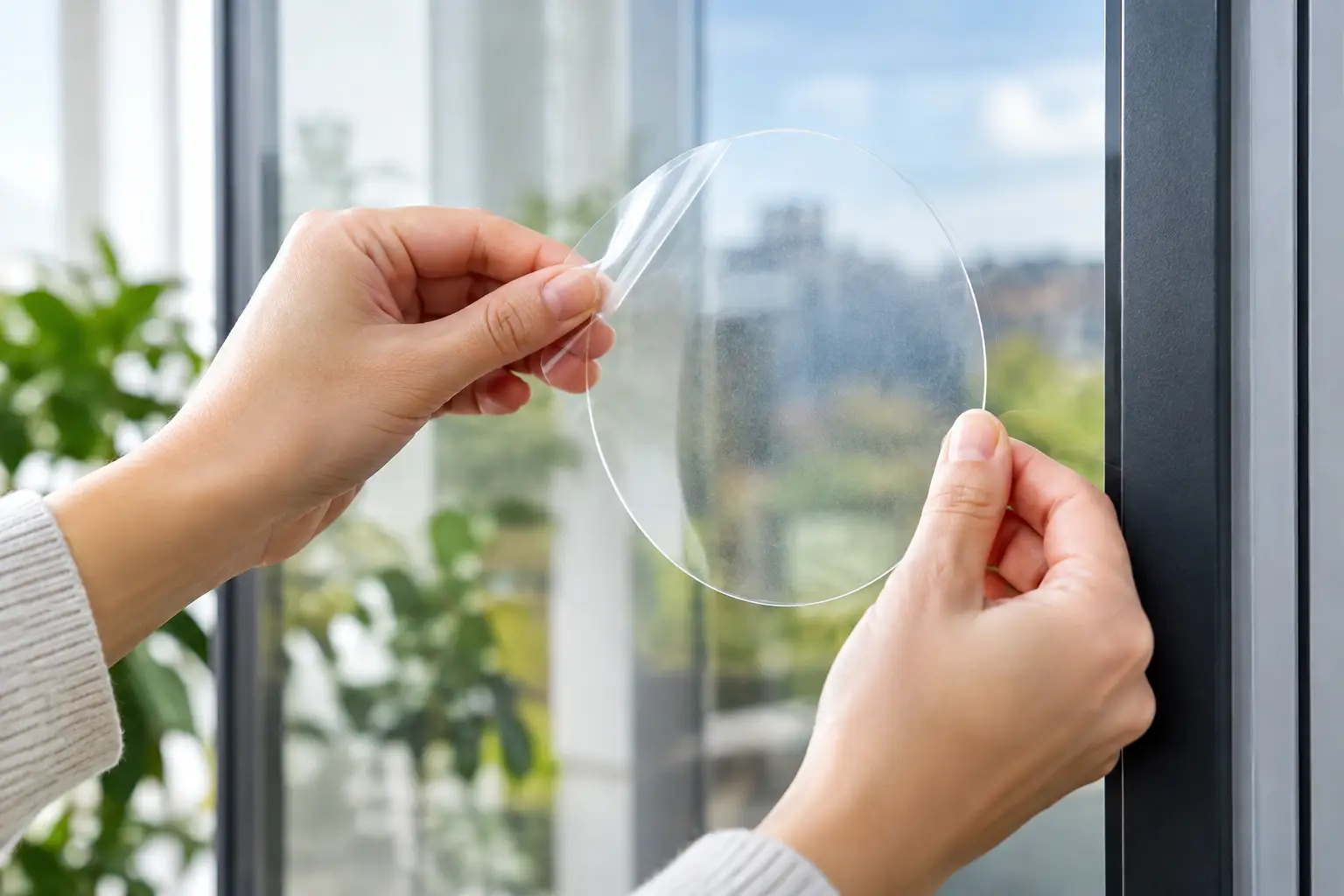
A clean shopfront window, café door or ute rear windscreen can do serious branding work. So, can clear stickers go on glass? Absolutely. Clear stickers are one of the sharpest ways to add logos, trading hours, campaign artwork or event messaging without covering the whole view.
The trick is choosing artwork that suits transparency, applying it to properly prepared glass and deciding whether the sticker needs to be read from inside, outside or both. Get those details right and the result looks polished, professional and built for the job – not like a rushed afterthought.
Can clear stickers go on glass without peeling?
Yes. Glass is generally an excellent surface for clear stickers because it is smooth, flat and non-porous. A quality adhesive has plenty of surface contact, which helps the sticker sit neatly and stay put.
That does not mean every window is ready straight from the bottle. Dust, fingerprints, waxy cleaning residue and moisture can interfere with adhesion. The sticker may look fine at first, then lift at the corners or develop little bubbles once the sun hits it. A few minutes of prep prevents that drama.
Clear stickers are especially popular for retail windows, office partitions, salon mirrors, café doors, real estate displays, event signage and vehicle glass. They let natural light through while keeping your branding front and centre. For businesses that want a premium look without a big opaque panel, they are hard to beat.
Choose the right side of the glass
Before you approve artwork, work out where the sticker will sit. This changes how the design should be printed.
For an outside application, the sticker is placed on the exterior face of the glass and viewed from outside. This is the usual choice for shopfront logos, opening hours and promotional window decals. Colours and text are printed in their normal orientation.
For an inside application, the sticker is applied to the interior face of a window but intended to be read from outside. This protects the print from weather, curious fingers and regular outdoor cleaning. The artwork needs to be reverse printed, often called mirror image, so it reads correctly through the glass.
This is one of those small details that can make or break the finished result. A beautifully designed sticker printed the wrong way around is still going to look wrong on the door. If you are unsure, say where the sticker is going and which direction people need to read it when supplying your artwork.
Outdoor versus indoor placement
Exterior placement gives your design direct visibility and can be the better option when the glass is tinted, heavily reflective or difficult to access from inside. It also works well for short-term campaigns and event windows.
Interior placement offers extra protection from rain, road grime, UV exposure and constant wiping. It is often the smarter call for a long-running storefront graphic, provided the glass itself stays clear enough for the design to stand out. It depends on the location, the lifespan you need and how much punishment the window gets.
Clear sticker design needs contrast
A clear sticker is not a white sticker with the background removed. Anything left transparent will show whatever is behind the glass. On a bright window, pale yellow text, fine grey lines or a soft pastel logo can disappear fast.
Bold, dark artwork usually performs best. Black, deep blue, rich green and strong brand colours hold their own against changing daylight and busy interiors. Larger text also makes a difference, particularly for trading hours and directional messaging people need to read from a few metres away.
White ink can be useful when your design needs light colours, opaque elements or a stronger visual pop. A white base beneath selected artwork helps colours appear closer to how they look on a white screen or printed page. Without it, transparent areas and colours can take on the tone of the glass, walls, products or people behind them.
Think about both sides of the window too. A logo may look perfect against a bright indoor wall at lunchtime, then become hard to see when the lights are off at night. If visibility matters around the clock, keep the artwork simple and high contrast.
Avoid the invisible-logo problem
Fine detail can print beautifully and still be the wrong choice for glass. Delicate text, very thin borders and tiny symbols lose impact when viewed through reflections, glare and changing weather.
For a shop window, treat the design like signage rather than a business card. Lead with the logo, a clear message and information customers genuinely need. Save the paragraph of fine print for somewhere people can hold in their hands.
How to apply clear stickers to glass
The best application is calm, clean and unhurried. Avoid applying stickers in strong wind, direct harsh sun or on a steaming-hot pane of glass. Heat can make handling harder, while airborne dust has a talent for landing exactly where you do not want it.
Start by cleaning the glass with a suitable glass cleaner and a lint-free cloth. Remove every trace of dust, grease and moisture, especially around the edges. If the window has been cleaned with a product that leaves a shine-enhancing film, give it another wipe with a clean cloth. The aim is bare, dry glass.
Next, position the sticker before removing the backing paper. Use low-tack masking tape as a guide if the placement needs to be straight or centred. For logos and business hours, take a step back and check the height from the footpath, not just from right in front of the glass.
Peel back a small section of backing paper, line up the top edge, then press the sticker down gradually. Use a squeegee or a clean, soft-edged card wrapped in a microfibre cloth to smooth from the centre outwards. This pushes air away from the middle rather than trapping it underneath.
Do not pull the sticker tight as you apply it. Stretching can distort the design or create tension that later pulls at the edges. Work slowly, especially with larger decals. A two-person application is worth it for wide logos, long opening-hour panels or anything going onto a prominent shopfront.
Bubbles, lifting and other common issues
A couple of tiny bubbles are not always a disaster. Small air pockets can settle over time, particularly in warm conditions. Larger bubbles are best dealt with immediately by gently lifting and reapplying the section before the adhesive fully settles.
Lifting corners usually point to one of three things: the surface was not completely clean, the sticker was applied over an edge or curve, or the adhesive did not suit the surface conditions. Glass itself is straightforward, but window frames, textured privacy film and silicone around the edges are different surfaces entirely.
Condensation is another factor. Bathroom windows, coolroom doors and glass exposed to big temperature shifts may need more careful product selection and application timing. Apply only when the glass is dry and stable. If the glass is regularly wet or aggressively cleaned, allow for a shorter lifespan than you would on a protected interior office window.
For vehicle glass, check that the sticker will not block the driver’s view, cover required markings or interfere with demister lines, cameras or sensors. Rear-window branding can look brilliant, but safe visibility comes first.
When clear stickers are the right call
Clear stickers are a standout choice when you want the glass itself to remain part of the design. They work brilliantly for a clean logo on a front door, a polished QR code display, branded jars and bottles, event welcome signage or a limited-time retail promotion.
They are less suited to artwork that needs a solid white backdrop, very small pale text or complete privacy. In those cases, an opaque sticker, frosted graphic or a different signage format may deliver a stronger result. The goal is not simply to put a sticker on glass. It is to make the message easy to see, easy to read and worth noticing.
A good clear sticker should look like it belongs there from the moment the doors open. Choose a bold design, give the glass a proper clean and take your time with placement. If you want a no-fuss custom option for your next window, vehicle or event setup, Sticker Ninja can help turn that clear space into serious brand real estate.